EXPANDED REPRESENTATIVE COLLECTION

Explore animal diversity through classification.

Eighteen representative species—seven invertebrates and eleven vertebrates—open pathways into taxonomy, adaptations, habitats, connections, aliases, and verified curiosities.

Image labels and credits are placed below the photographs so they never cover biological details.

PORIFERA · CNIDARIA · ANNELIDA · MOLLUSCA · ARTHROPODA · ECHINODERMATA

Invertebrates

Red giant barrel sponge alive on a deep reef off Puerto Rico
NOAA Ocean Exploration · Public domainSource

Invertebrate · Porifera · Demospongiae

Giant barrel sponge

Xestospongia muta

Also known as: redwood of the reef, giant sponge

Habitat
Caribbean and western Atlantic coral reefs, from shallow reefs to mesophotic depths.
Connection
Its surface and cavities shelter brittle stars, squat lobsters, fishes, microbes, and other small reef organisms.
Did you know?

A giant barrel sponge is an animal, not a plant.

Explore full profile
Healthy branching staghorn coral in the Florida Keys
Greg McFall / NOAA · Public domainSource

Invertebrate · Cnidaria

Staghorn coral

Acropora cervicornis

Also known as: branching coral, staghorn acropora

Habitat
Shallow, warm Caribbean and western Atlantic reefs with strong sunlight and water movement.
Connection
Its branches shelter juvenile fish and invertebrates and help build reef complexity.
Did you know?

A coral colony is made of many tiny animals called polyps.

Explore full profile
Common octopus clearly visible on a rocky seabed
Albert Kok / Wikimedia Commons · Public domainSource

Invertebrate · Mollusca

Common octopus

Octopus vulgaris

Also known as: common European octopus, common octopus

Habitat
Rocky coasts, reefs, caves, and seafloor shelters in warm and temperate seas.
Connection
It links rocky shelters with crustaceans, mollusks, fish, and larger predators.
Did you know?

An octopus has three hearts.

Explore full profile
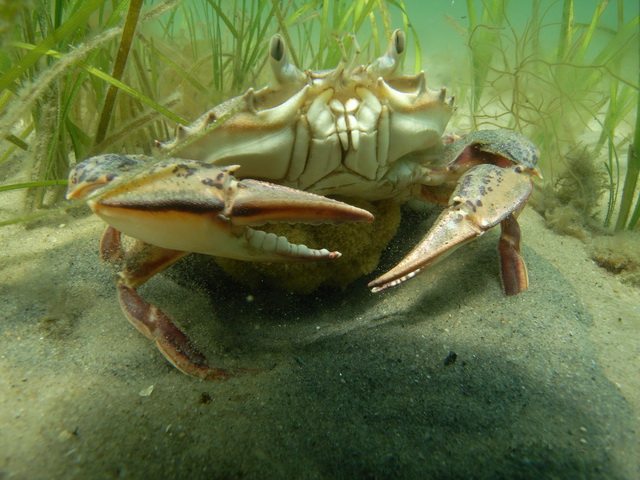
Living blue crab in an eelgrass bed in Chesapeake Bay
NOAA via USGS · Public domainSource

Invertebrate · Arthropoda · Crustacea

Blue crab

Callinectes sapidus

Also known as: Atlantic blue crab, blue swimmer crab

Habitat
Estuaries, bays, salt marshes, and coastal waters of the western Atlantic.
Connection
It transfers energy between marshes, seagrass beds, shellfish, fish, birds, and people.
Did you know?

Its scientific name means “beautiful savory swimmer.”

Explore full profile
Complete common sea star moving across a rocky seabed
Wikimedia Commons · CC0 / Public domainSource

Invertebrate · Echinodermata

Common sea star

Asterias rubens

Also known as: common starfish, European sea star

Habitat
Rocky shores and shallow seafloors of the northeast Atlantic.
Connection
By feeding on dominant shellfish, sea stars can help maintain diversity in rocky-shore communities.
Did you know?

A sea star is not a fish.

Explore full profile
Giant tube worms with red plumes at a Galápagos hydrothermal vent
NOAA Galápagos Rift Expedition 2011 · Public domainSource

Invertebrate · Annelida · Polychaeta

Giant tube worm

Riftia pachyptila

Also known as: giant hydrothermal-vent tube worm, Riftia tubeworm

Habitat
Hydrothermal vents in the deep eastern Pacific, including the Galápagos Rift and East Pacific Rise.
Connection
It provides structure for vent communities and depends completely on microbes, mineral-rich water, and the geology of active seafloor vents.
Did you know?

Adult giant tube worms have no mouth, stomach, or anus.

Explore full profile
Monarch butterfly resting on flowers
Wikimedia Commons record · CC0 / Public domainSource

Invertebrate · Arthropoda · Insecta

Monarch butterfly

Danaus plexippus

Also known as: monarch, milkweed butterfly

Habitat
Open habitats with milkweed for caterpillars and nectar flowers for adults.
Connection
It connects milkweed, flowering plants, pollination networks, predators, climate, and landscapes across countries.
Did you know?

No single butterfly completes the entire multigenerational migration.

Explore full profile

CHONDRICHTHYES · ACTINOPTERYGII · AMPHIBIA · REPTILIA · AVES · MAMMALIA

Vertebrates

Complete whale shark swimming in blue open water
NOAA Flower Garden Banks NMS · Public domainSource

Vertebrate · Fish · Chondrichthyes

Whale shark

Rhincodon typus

Also known as: largest fish, whale shark

Habitat
Tropical and warm-temperate oceans, often near productive coasts and seasonal plankton blooms.
Connection
Its movements reveal links between plankton blooms, ocean currents, tourism, fisheries, and international conservation.
Did you know?

The whale shark is the largest living fish.

Explore full profile
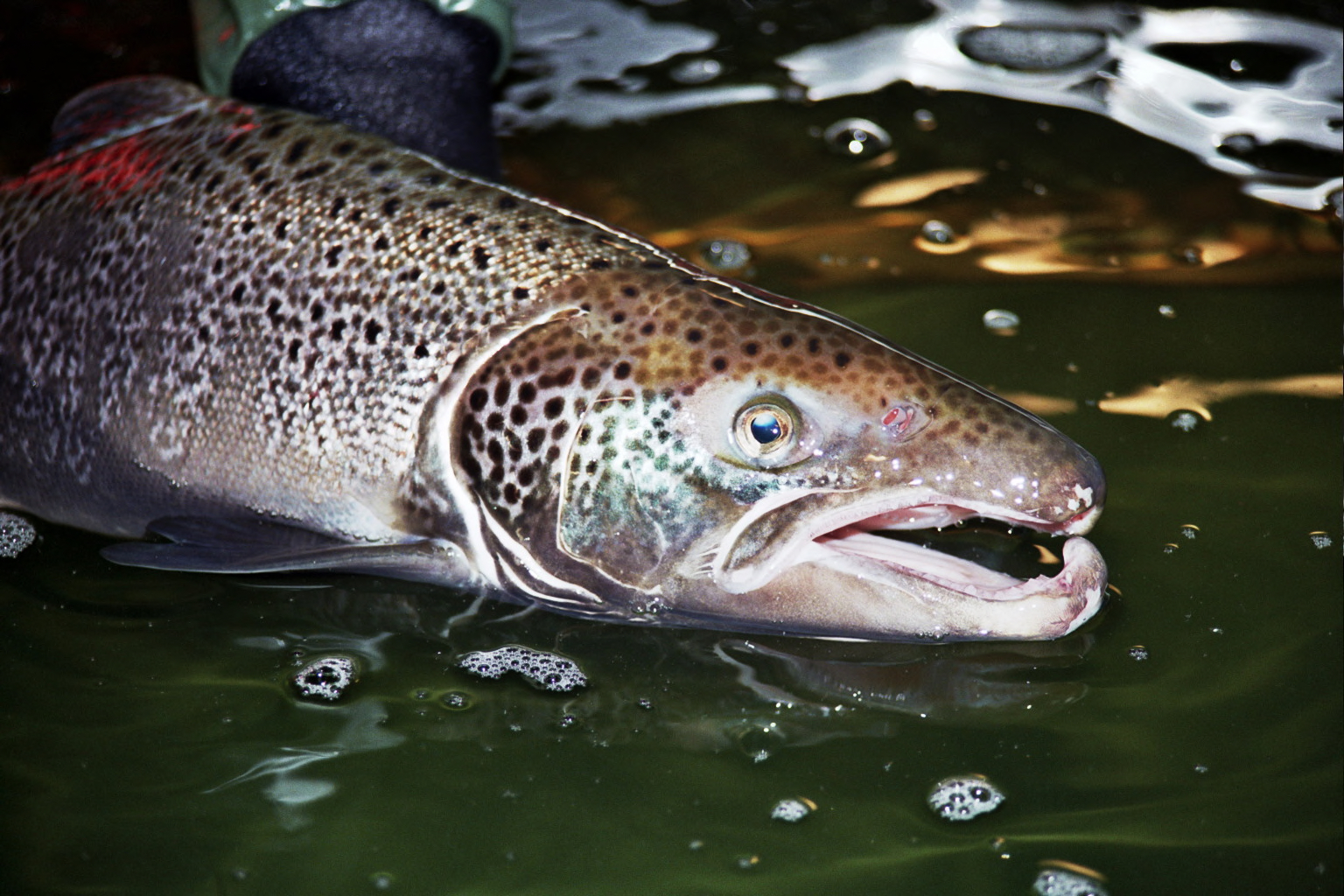
Complete adult male Atlantic salmon displaying a spawning-season kype
Edward Peter Steenstra / USFWS · Public domainSource

Vertebrate · Fish · Actinopterygii

Atlantic salmon

Salmo salar

Also known as: Atlantic salmon, sea-run salmon

Habitat
Cold rivers for spawning and juvenile growth, followed by years in the North Atlantic.
Connection
Salmon move marine nutrients into rivers and forests and connect ocean conditions with watershed health.
Did you know?

Atlantic salmon can live in both freshwater and seawater.

Explore full profile
Axolotl showing external gills
Wikimedia Commons record · CC0 / Public domainSource

Vertebrate · Amphibia

Axolotl

Ambystoma mexicanum

Also known as: Mexican walking fish, Mexican salamander

Habitat
Freshwater canals and wetlands of the Xochimilco system in Mexico City.
Connection
It reflects the health of Xochimilco wetlands and links traditional landscapes, water quality, invasive species, and conservation science.
Did you know?

The axolotl usually remains aquatic for life.

Explore full profile
American bullfrog at the edge of freshwater
Wikimedia Commons record · CC0 / Public domainSource

Vertebrate · Amphibia

American bullfrog

Lithobates catesbeianus

Also known as: bullfrog, North American bullfrog

Habitat
Ponds, lakes, marshes, slow rivers, and reservoirs.
Connection
It links aquatic and terrestrial food webs; outside its native range it can strongly affect local species.
Did you know?

The name comes from the male’s deep call, often compared with a bull.

Explore full profile
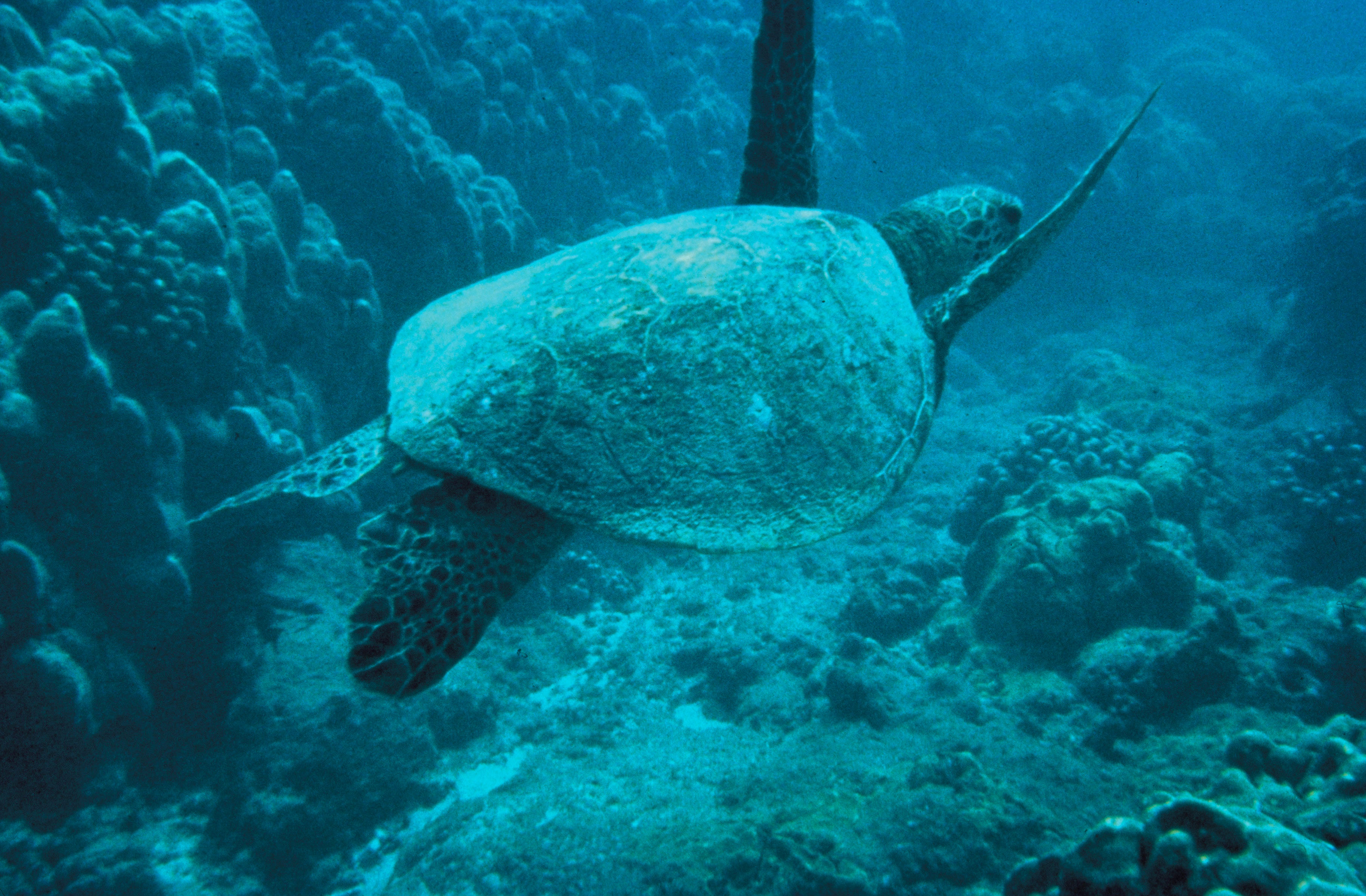
Green sea turtle swimming above a coral reef
David Vogel / USFWS · Public domainSource

Vertebrate · Reptilia

Green sea turtle

Chelonia mydas

Also known as: green turtle, honu

Habitat
Tropical and subtropical coasts, seagrass beds, reefs, and nesting beaches.
Connection
Grazing can influence seagrass meadows, while migrations connect distant reefs, coasts, and beaches.
Did you know?

The “green” name refers to the color of body fat, not the shell.

Explore full profile
American alligator resting near water
Wikimedia Commons record · CC0 / Public domainSource

Vertebrate · Reptilia

American alligator

Alligator mississippiensis

Also known as: gator, Mississippi alligator

Habitat
Freshwater wetlands, marshes, swamps, lakes, and slow rivers of the southeastern United States.
Connection
Alligator holes can retain water during dry periods and provide refuge for many wetland organisms.
Did you know?

Alligator mothers guard nests and young.

Explore full profile
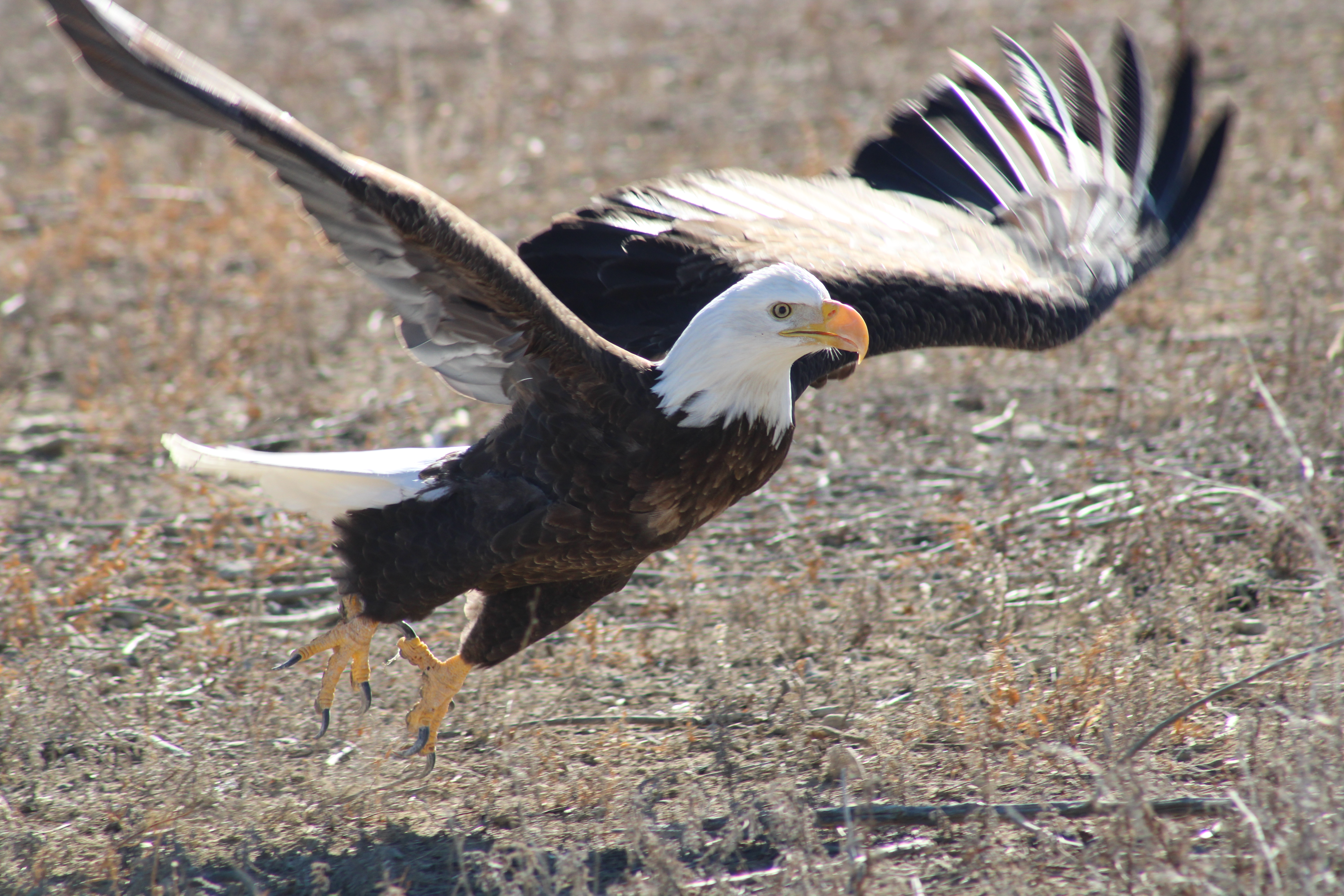
Adult bald eagle taking flight with head, wings, feet, and tail visible
Chris Moehring / USFWS · Public domainSource

Vertebrate · Aves

Bald eagle

Haliaeetus leucocephalus

Also known as: American eagle, white-headed eagle

Habitat
Large lakes, rivers, reservoirs, estuaries, and coasts with fish and tall nesting trees.
Connection
It links aquatic food webs with forests and shorelines and may recycle nutrients by scavenging.
Did you know?

Young bald eagles do not have a white head and tail.

Explore full profile
Great blue heron standing in shallow water
Wikimedia Commons record · CC0 / Public domainSource

Vertebrate · Aves

Great blue heron

Ardea herodias

Also known as: great blue, blue heron

Habitat
Marshes, rivers, lakes, mangroves, estuaries, and shorelines.
Connection
It transfers energy from aquatic prey to terrestrial nesting colonies and signals productive shallow-water habitat.
Did you know?

It can stand nearly motionless before striking at prey.

Explore full profile
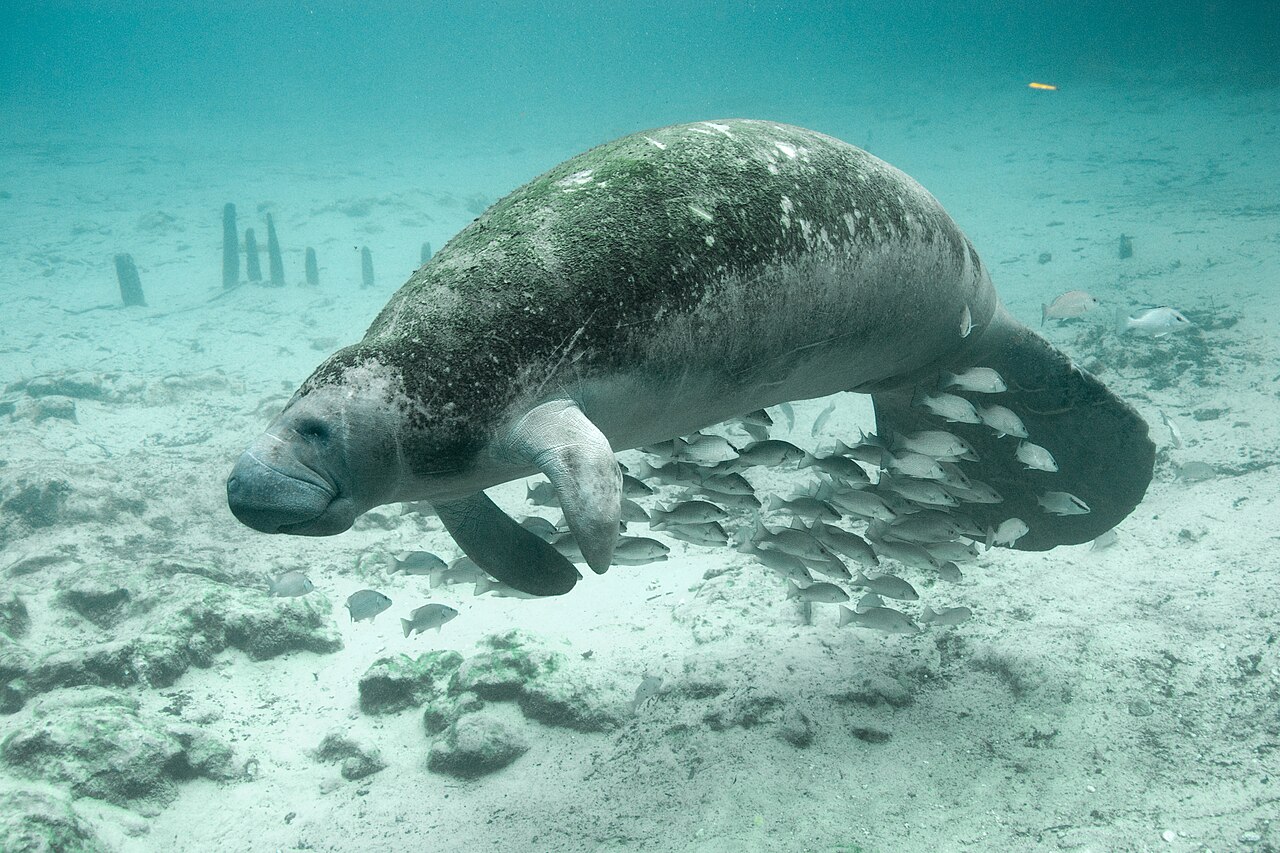
Florida manatee swimming underwater near Crystal River
Keith Ramos / USFWS · Public domainSource

Vertebrate · Mammalia

Florida manatee

Trichechus manatus latirostris

Also known as: sea cow, Florida sea cow

Habitat
Florida rivers, springs, estuaries, bays, and coastal waters, with warm-water refuges in winter.
Connection
Its survival connects clean water, healthy vegetation, safe travel routes, warm refuges, boating, and human responsibility.
Did you know?

New molars form at the back and slowly move forward like a conveyor belt.

Explore full profile
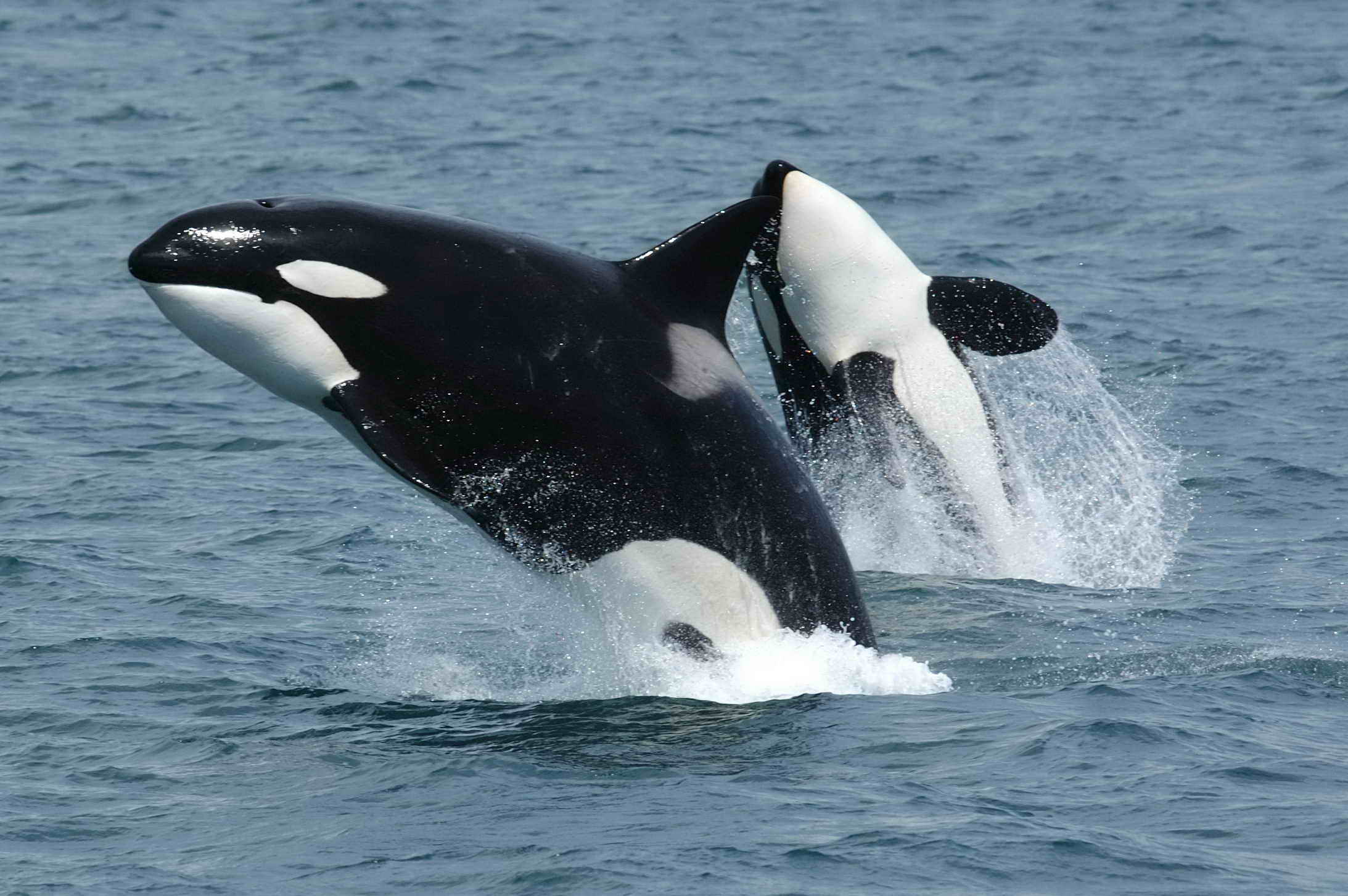
Two orcas breaching together in open water
NOAA / USFWS · Public domainSource

Vertebrate · Mammalia

Orca

Orcinus orca

Also known as: killer whale, blackfish

Habitat
Oceans worldwide, from polar seas to tropical waters, with populations specialized for different habitats and prey.
Connection
Orcas link prey abundance, food-web structure, underwater sound, contaminants, fisheries, and social knowledge.
Did you know?

Orcas are the largest members of the dolphin family.

Explore full profile
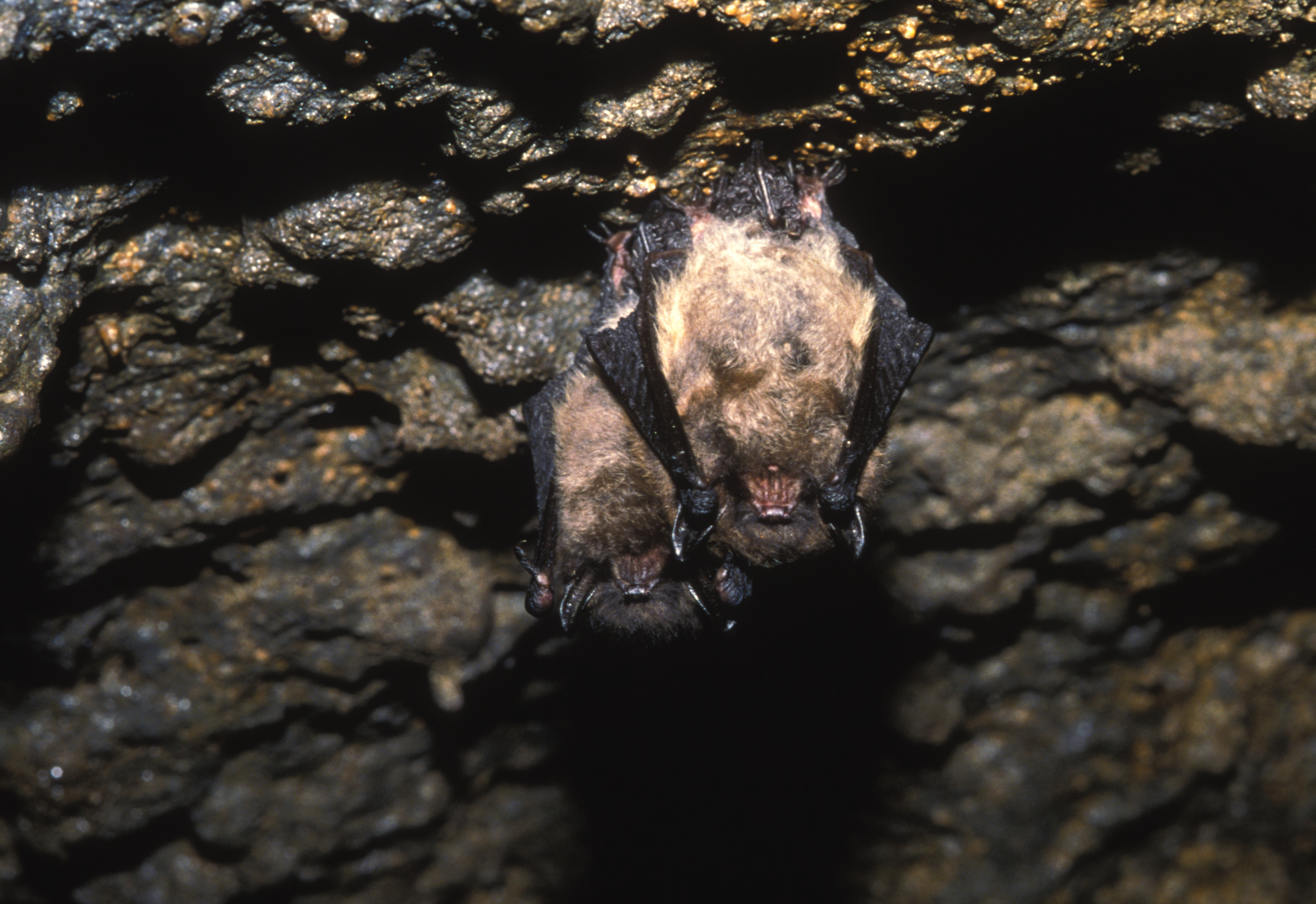
Two living little brown bats hanging together in a natural roost
John and Karen Hollingsworth / USFWS · Public domainSource

Vertebrate · Mammalia

Little brown bat

Myotis lucifugus

Also known as: little brown myotis, little brown bat

Habitat
Forests, wetlands, buildings, caves, and mines across much of North America.
Connection
By consuming insects, bats connect forests, wetlands, agriculture, nighttime food webs, and cave ecosystems.
Did you know?

It can catch hundreds of insects during a night of feeding.

Explore full profile